San Luca Bologna: Guide to the World's Longest Portico
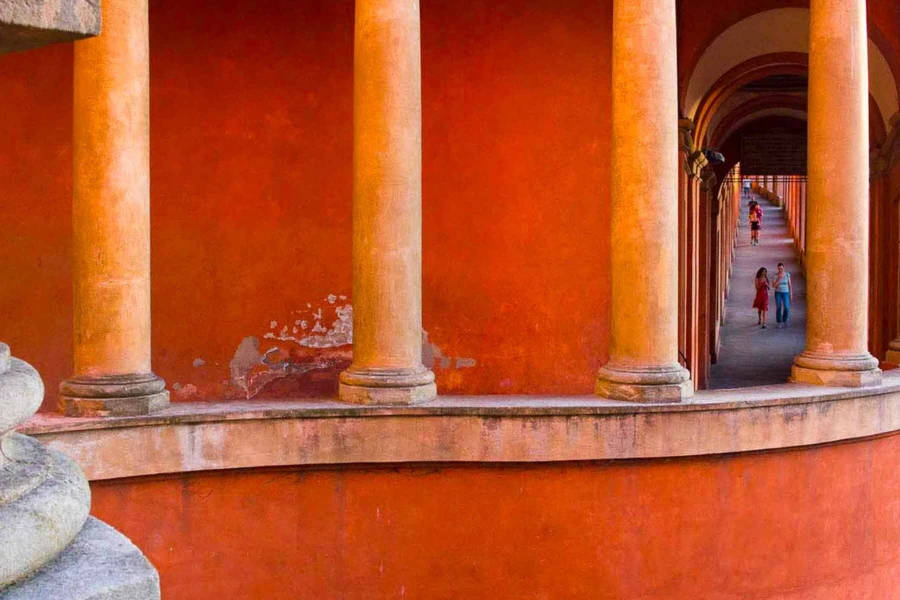
Ever wondered what it feels like to walk through history under the world's longest covered walkway? San Luca Bologna is calling your name.
Don't call it just church on a hill, please.
It's a pilgrimage, a workout, and a photographer's dream all rolled into one unforgettable experience.
The Sanctuary sits atop Colle della Guardia, connected to the city by the world's longest portico: nearly 4 kilometers with over 600 arches.
Let's find out how to get the best from it.
Let's get the basics down.
The portico was begun in 1674, and during Ascension week, a procession has walked along it, carrying the Byzantine Madonna with Child to the Cathedral since 1433.
The basilica itself?
Pure 18th-century baroque brilliance.
The sanctuary church was built later in the 18th century to replace a previous 15th-century construction. Inside, you'll find the sacred icon of the Madonna that started this whole journey, the painting that pilgrims have been venerating for centuries.
But honestly, the portico is the real star.
With its 658 to 666 arches (depending on how you count) and 15 chapels, this 3,796-meter covered walkway is recognized as the longest portico in the world.
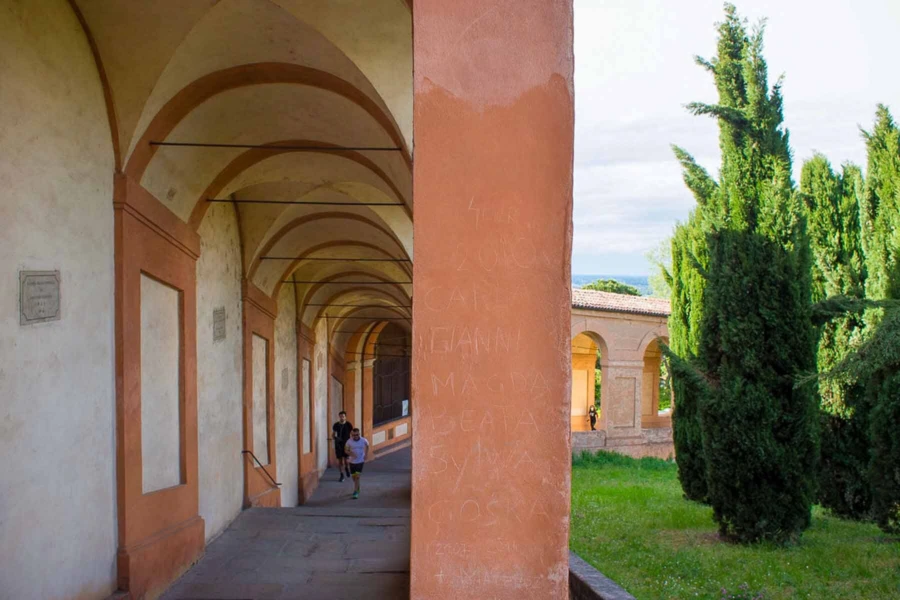
Those arches? They create this hypnotic rhythm of light and shadow that makes the climb almost meditative.
Almost.
Because let me tell you, that uphill section will test you.
Why is San Luca so famous in Bologna?
In 2021, the portico was inscribed as part of the UNESCO World Heritage Site titled "The Porticoes of Bologna," cementing its status as one of Italy's most iconic architectural achievements.
This recognition celebrates not just the portico's record-breaking length, but its role in Bologna's urban fabric and centuries of pilgrimage tradition.
San Luca is not the only portico recognized by UNESCO, but it is certainly one of the most iconic and significant.
Ask any Bolognese, though, and they'll tell you it's famous because it's theirs, a piece of the city's soul visible from nearly everywhere in town.
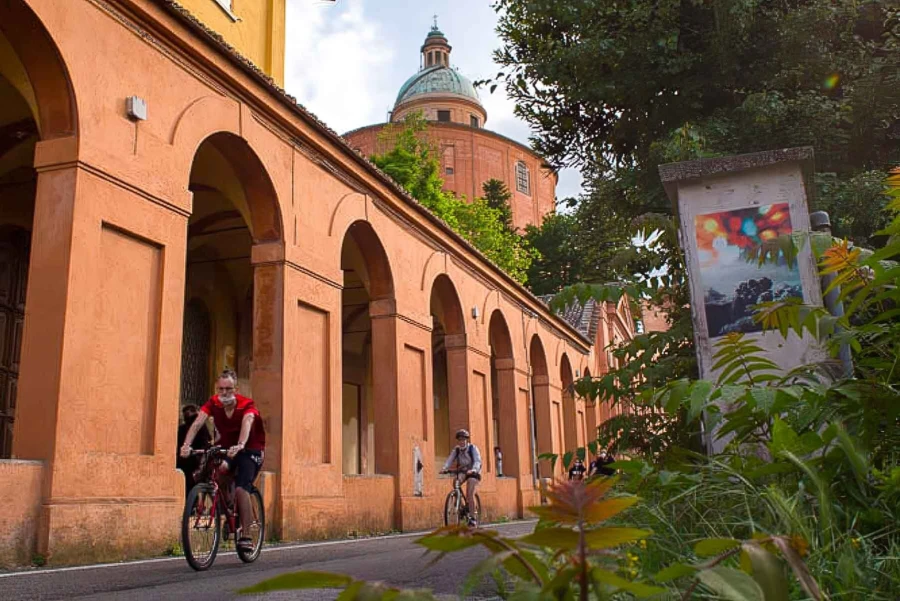
How to visit San Luca, Bologna?
You've got options.
Let me break them down as a local would.
The San Luca Bologna walk is legendary. And honestly?
It's the way to do it.
Start at Porta Saragozza in the city center.
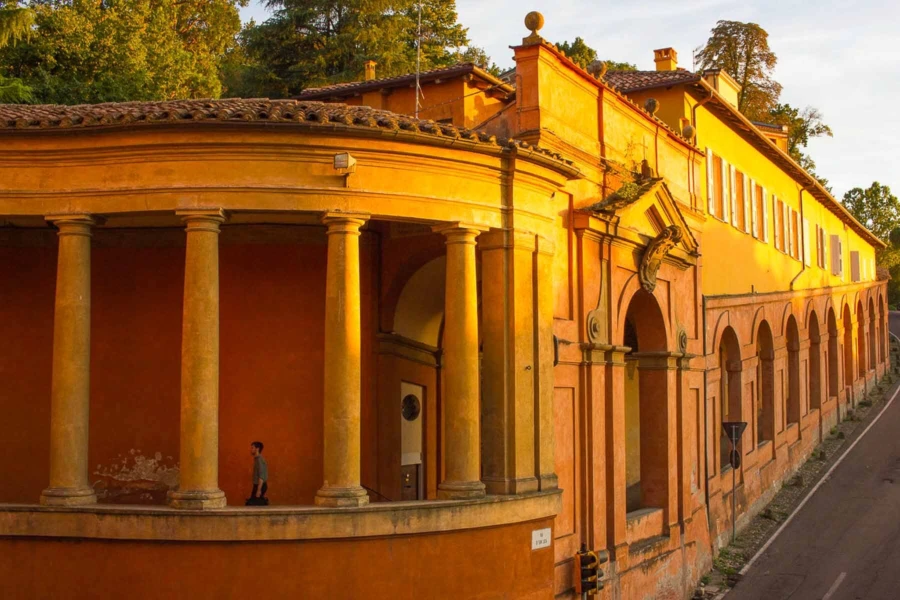
The portico unwinds for four kilometers, and at a certain point, it crosses the road and forms a large arch, this is the Arco del Meloncello, built in 1732. That arch is your halfway marker.
Snap a photo there, it's time to rise.
What to expect on the walk
The uphill section is fairly unrelenting and quite steep at the top, and much of it is made of steps.
Bring water.
Wear actual walking shoes, not those cute sandals you bought in Florence.
The whole climb takes 45 minutes to an hour if you're reasonably fit, longer if you stop to catch your breath (no judgment, everyone does).
Pro tip from someone who's done this more times than I can count: the walk back to the city center feels like a breeze compared to the uphill journey; it only takes about 40 minutes to get back to Piazza Maggiore.
Going down is when you really appreciate those views.
When to take the walk
One more thing: timing matters more than you think.
In summer, do this walk early in the morning (ideally before 10 AM) or in the evening after 6 PM.
Yes, the portico provides shade, but it still gets very hot.
In spring, fall, and winter, temperatures are much more forgiving, but Sunday mornings are especially busy with locals making the traditional walk.
Also keep in mind that the sanctuary closes at 6:00 PM, so you can always reach the top, but you might not be able to go inside the basilica and will have to settle for the outdoor views.
Not feeling the walk? No problem.
Bus 20 connects the center with Casalecchio, and you can get off at the Villa Spada stop on Via Saragozza, then change to bus 58 to go up to the sanctuary.
Fair warning: bus 58 doesn't run super frequently, so check the TPER website for schedules before you go.
The same 2€ ticket works for both buses, but you need to validate it each time you board.
Here's where the San Luca Bologna train comes in, though it's not really a train.
The San Luca Express is a tourist train with an integrated audio guide in 10 languages. It leaves from Piazza Maggiore and takes you all the way up.
Tickets cost around €10 for adults (€6 for children aged 6-10), and it's valid for a return trip on the same day. You can walk up and take the train down, or vice versa.
Taxis will take you up too, though they'll drop you at the parking lot below the basilica. You'll still have a bit of walking to do from there.
Consider about 20€ from the city center.
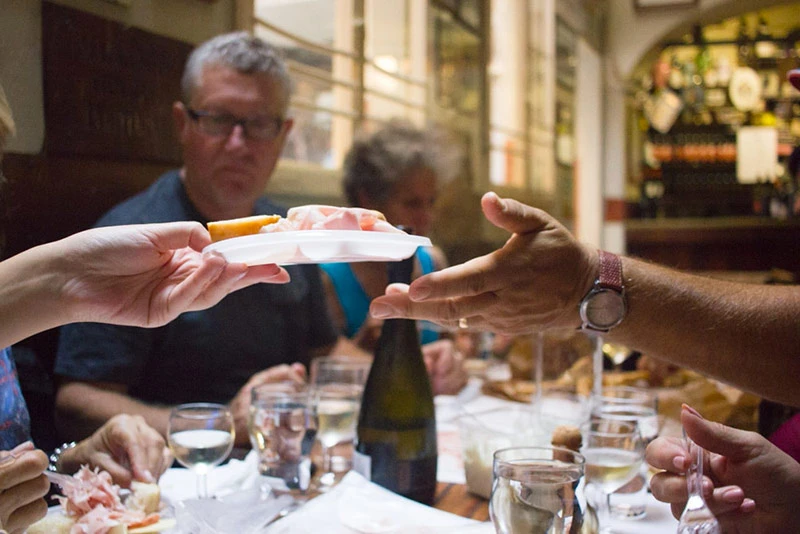
Let's talk food. Because this is Bologna, after all.
After you've conquered those steps, you'll be hungry. Trust me on this. If you're looking for authentic Bolognese food before or after your San Luca adventure, I've got you covered.
Breakfast and snacks
Before you start your walk, fuel up properly.
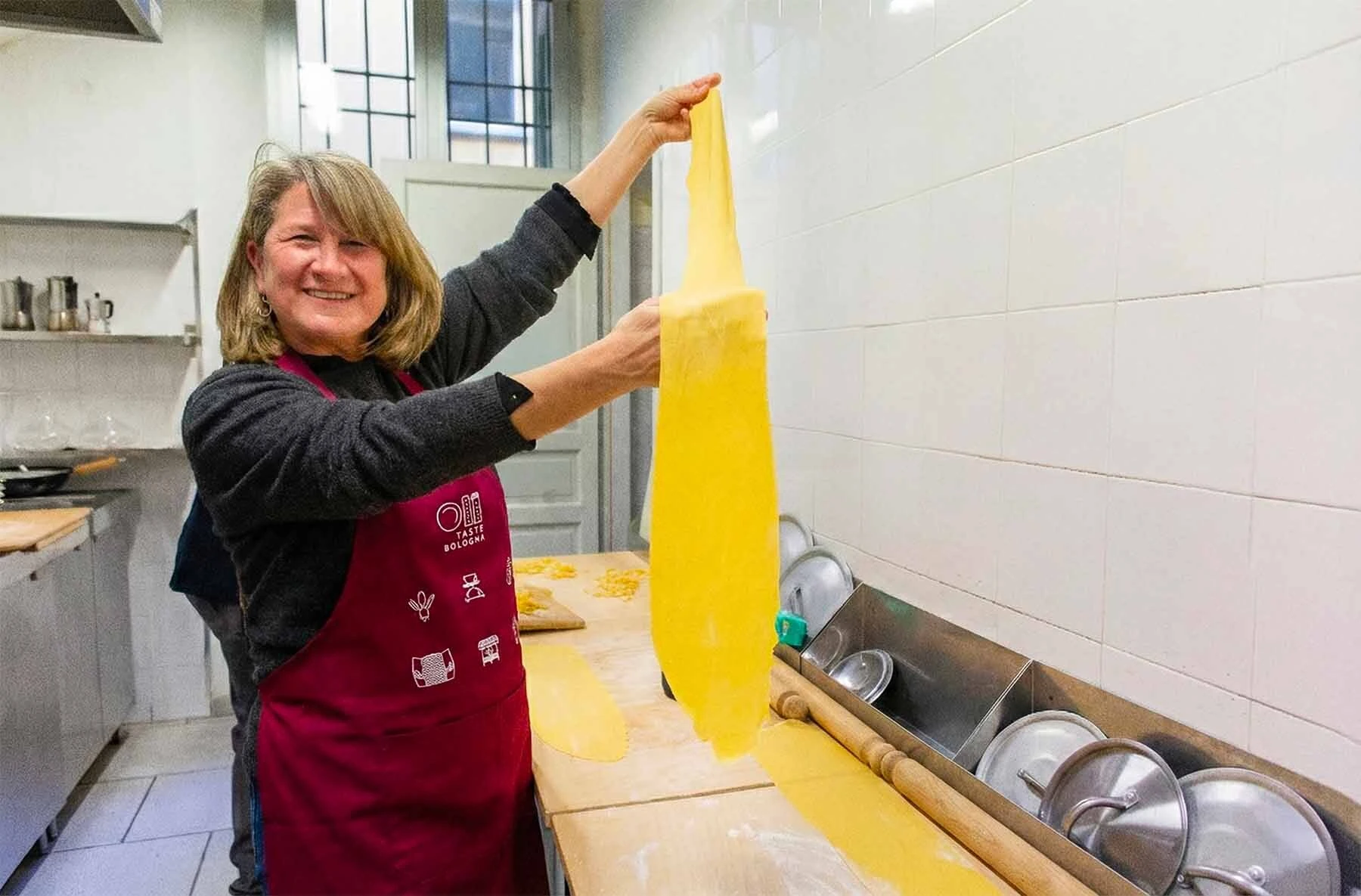
Tigelle is your friend. These little round flatbreads are stuffed with cured meats, cheeses, and spreads. They're the ultimate comfort food after a climb. You'll find one of the best tigellerie in Bologna, Le Squisite, along Via Saragozza.
Fantasia del Dolce serves some of the best breakfast in Bologna, cornetti (Italian croissants) that are still warm, panettone in winter and pastiera around Easter time. It's the energy boost you need.
Bar Billi is another local favorite. It's the kind of place where regulars read the newspaper at the counter and the barista knows everyone's order. Stop in for an espresso and a quick bite.
Post-walk Restaurants
After your descent, Trattoria Meloncello is perfectly positioned near the Arco del Meloncello. Traditional Bolognese dishes, generous portions, reasonable prices. Order the tagliatelle al ragù and thank me later.
Got more time? The San Luca area is packed with hidden gems that most tourists miss.
Certosa di Bologna
Certosa di Bologna is less than a kilometer away.
It's not just a cemetery, it's an open-air museum.
The Certosa features monumental tombs and stunning sculpture work.
The porticoed galleries are hauntingly beautiful, especially in the late afternoon light.
Villa Spada Park
Villa Spada sits right along your route if you're walking.
The park offers one of the rare examples of Italian-style gardens in Bologna, and from the upper meadow, you can admire a wonderful panoramic view of Bologna's historic center. It's also home to a nice small library, ideal to rest and read a book if you are in Bologna with kids.
Villa delle Rose
Villa delle Rose deserves more attention than it gets.
Donated to the city of Bologna in 1916 by Countess Nerina Armandi Avogli, it was intended to host a modern art gallery. Today, Villa delle Rose is the enchanting space that MAMbo dedicates to temporary exhibitions and events. The villa itself is gorgeous, and the garden is perfect for a quiet moment.
Stadio Renato Dall’Ara
As you walk up the portico, you'll catch glimpses of Stadio Renato Dall’Ara, Bologna’s historic football stadium.
It’s not usually open to visitors except during matches, but it still has a certain charm, especially the iconic Torre di Maratona (Maratona tower), a brutalist masterpiece from 1927, which stands out from afar.
Fun fact: one of the stadium’s curves is dedicated to San Luca, reinforcing just how deeply the sanctuary is woven into the city’s identity.
The sanctuary is open year-round, but timing matters.
Early morning is magical: you'll have the portico mostly to yourself, and the light is perfect for photography.
Weekday mornings are quieter than weekends when local families make the pilgrimage.
Avoid midday in summer unless you enjoy being thoroughly cooked under those arches.
Late afternoon offers gorgeous golden-hour light and cooler temperatures.
San Luca Bologna: Final Thoughts
Look, I could tell you all day about the technical details, the number of arches, the exact distance, the baroque architecture.
But here's what really matters: walking the San Luca portico changes something in you.
Maybe it's the rhythm of your footsteps under those endless arches.
Maybe it's the way Bologna slowly spreads out below you as you climb.
Maybe it's joining the stream of locals who've been doing this same walk for generations, runners in the morning, families on Sunday, elderly couples taking it slow.
Is it a workout? Yes.
Will your legs remind you about it the next day? Probably.
Is it worth it? Absolutely.
Wear good shoes.
Bring water.
And maybe read up on the best walks in Bologna before you go, the San Luca climb is just one of many incredible walks this city has to offer.
Buona passeggiata!
Related post
Tasty newsletter
Stay in touch with monthly news and get my PDF guide with the best restaurants in Bologna and beyond