Bologna train station: how to survive Bologna Centrale
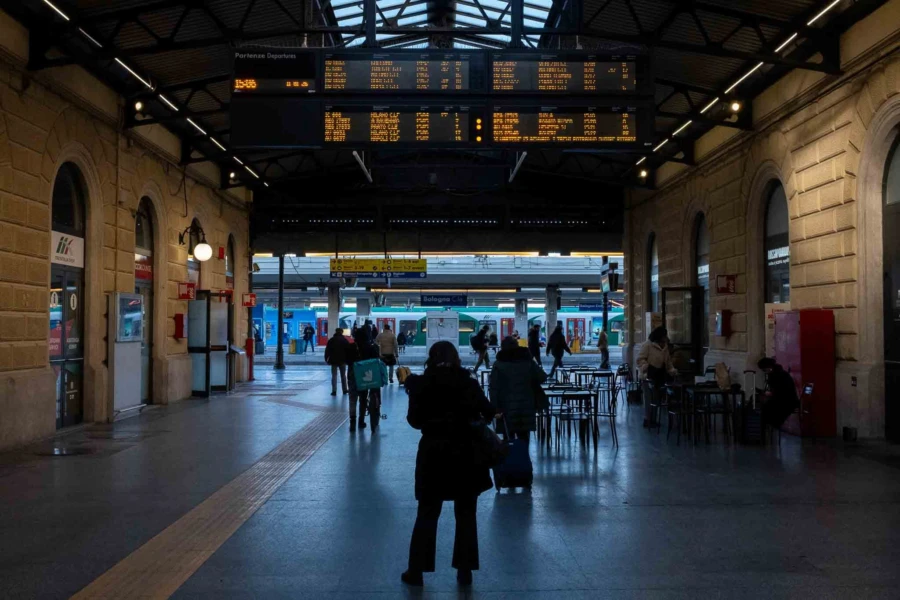
Bologna Train Station is probably the first place you’ll see when you arrive. And yes, it can be confusing.
Loud, busy, layered, sometimes chaotic.
Even Italians get lost here.
But don’t worry. If you know how it works, it’s actually a very strategic hub and one of the best-connected stations in Italy. I’ll walk you through it like a local would, step by step.
Let’s be honest: Bologna Train Station is a bit of a 3D puzzle.
The signs are not always clear. The levels overlap. Platforms seem to appear suddenly. People rush in every direction, often without knowing exactly where they are going.
This is Bologna Stazione Centrale, the main station.
From here, you can reach Milan, Florence, Venice, Rome, and most major Italian cities.
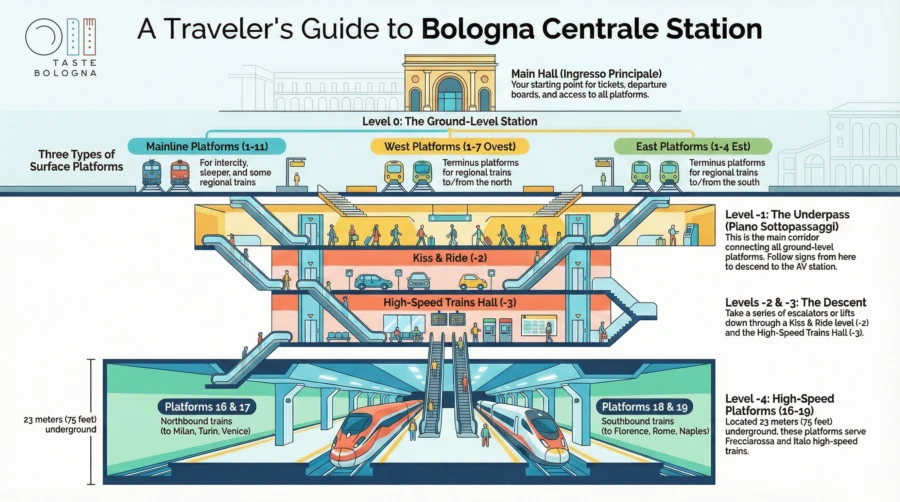
The station has several levels:
- Surface level (Piazzale Ovest/Est and main tracks): where you’ll find shops, ticket offices, and regional trains.
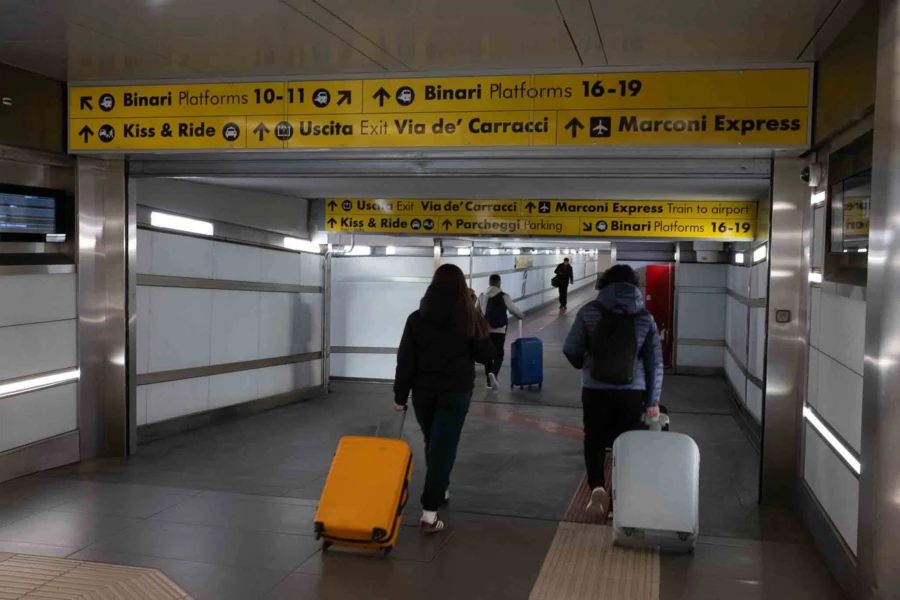
- Underground corridors: these link the main station to the various platforms.
- Bologna AV (High-Speed Level): located 23 meters underground. This is a separate "sub-station" for Frecciarossa and Italo trains.
If you look at a Bologna Train Station map, you’ll immediately see why travelers panic. The layout is not intuitive.
My advice? Always arrive early and follow platform numbers, not people.
A place of memory: the Bologna massacre
Bologna Centrale is not just a transport hub. It is also a place of deep historical memory.
On August 2nd, 1980, a bomb exploded in the second-class waiting room, killing 85 people. It was one of the deadliest terrorist attacks in Italy’s history.
That waiting room still exists and can be visited. It’s simple, silent, and powerful.
Outside the station, you’ll notice a clock that has stopped at 10:25. That’s the exact time of the explosion. It has never been repaired, by choice.
Every year on August 2nd, the city commemorates the victims.
For Bologna, this date is extremely important and deeply felt.
This point is essential.
Is Bologna Centrale the same as Bologna AV?
No. Bologna Centrale and Bologna AV are in the same location, but they are not on the same level.
Bologna AV (Alta Velocità) is the high-speed station, located 23 meters underground. You have to go down several levels to reach it using elevators or escalators.
Many travelers relax with a coffee at street level, thinking their platform is just around the corner. Then they realize their high-speed train departs from Bologna AV, which requires three long escalator rides to reach.
By the time they get there, the train is gone.
Remember:
- Regional trains usually depart from surface platforms (Platforms 1-11, or Piazzale Ovest/Est).
- High-speed trains (Frecciarossa, Italo) depart from Bologna AV (platforms 16/17/18/19) most of the time. Not always.
Give yourself at least 15 minutes just to get from the main entrance to the AV platforms.
And arrive early.
Always.
If you want to explore the city without dragging your suitcase around, the easiest option is KiPoint, located inside Bologna Centrale.
It’s an official luggage storage service, safe and monitored. The price is around €8 per bag per day, which is fair for the location and convenience.
That said, if you want to save a bit of money, there are other luggage storage options just outside the station area, usually run by shops or dedicated storage services. They are still central and often slightly cheaper, but less convenient if you’re in a hurry.
Avoid anyone approaching you inside or outside the station offering to “watch your bags”. Stick to official or clearly identified services only.
Bologna Centrale has two main exits on opposite sides of the tracks. Choosing the right one is the difference between being in the heart of the city or in a quiet residential suburb.
- Piazza Medaglie d’Oro (The Main Exit): this is where 99% of travelers need to go. It leads you directly toward the city center, Via Indipendenza, and the famous porticoes. If you are looking for the main taxi rank, the main bus hubs, or a 15-minute walk to Piazza Maggiore, this is your exit.
- Via Carracci (The "Bolognina" Exit): this exit leads to the north side of the city, a trendy district called Bolognina. You should only use this exit if your Hotel, Hostel, or B&B is specifically located in the Bolognina area. Otherwise, you’ll find yourself on the "wrong" side of the tracks with a long walk ahead of you to get back to the center.
You can walk.
Piazza Maggiore is about 15–20 minutes on foot, flat and straightforward.
Using buses or taxis usually doesn’t make sense unless you have heavy luggage.
But just in case, here are my suggestions.
Taking a taxi
Taxis in Bologna are rare. At Bologna train station, you can find them in two main spots:
- Piazza Medaglie d’Oro: the main square outside the historic entrance.
- Kiss&Ride: an underground drop-off/pick-up zone. This is the fastest option if you are arriving via the Marconi Express (from the airport) or an AV train.
Warning: During trade fairs (Fiera di Bologna) or peak tourist season, taxi queues can be very long. Plan accordingly!
Public buses and the new tram
Bologna has an excellent bus network managed by TPER.
- Many lines stop right outside the station.
- Payment is easy: you can "Tap-and-Go" using your contactless credit card directly on the bus.
- For routes and schedules, check the official TPER website.
Buses stop directly outside the station, but walking is often faster.
If you’re coming from the airport, this guide explains all options clearly: Bologna airport to city centre.
Looking ahead: by late 2026-early 2027, Bologna will launch its new Tram system, making the connection between the station and the rest of the city even smoother.

If you arrive by car, these are the smartest parking choices:
- Parcheggio Tanari: cheaper, good value, slightly outside the center
- Autostazione parking: central and convenient
- Nuovo parcheggio stazione: large capacity, reliable
Street parking is limited and stressful. Avoid it.
Read my full guide about parking in Bologna to avoid stress and tickets.
Tickets: buy them online
Buy tickets online whenever possible.
- Trenitalia or Italo for high-speed trains
- Trenitalia for regional trains
Ticket machines can be slow and confusing.
Arrive early (seriously)
I’ll repeat it because it matters.
Arrive early. People get lost here. Even locals.
Food: don’t expect miracles
There is food everywhere, but nothing you will remember.
Safe choices:
- Dispensa Emilia for tigelle
- A classic mortadella sandwich on platform 1
Cold, smoke, and comfort
Parts of Bologna Centrale are open-air and cold in winter.
Many people smoke.
Bologna AV is warmer, cleaner, and more comfortable.
If you’re waiting, go underground.
Safety tips, especially at night
Bologna is generally safe, but stations are always sensitive areas.
Keep an eye on your bag. Always.
Avoid distractions. Pickpockets love confusion.
At night, around the train station:
- Stay in well-lit areas
- Stick close to other people
- Avoid empty side streets
If you feel unsure, take a taxi.
Most food inside Bologna Centrale is functional at best.
Convenient, yes. Memorable, rarely.
If you have even just 30–40 minutes before your train, it’s worth stepping outside the station area. Some genuinely good local spots are surprisingly close.
Forno Brisa, in Via Niccolò Dall’Arca, is one of the best quick stops near the station.
It’s a modern bakery loved by locals for excellent coffee, flaky pastries, naturally leavened bread, and Roman-style pizza by the slice.
If you have an early train, this is a much better breakfast than the generic station bars.
And if you’re leaving Bologna, grabbing a slice of pizza for the journey is never a bad idea.
If you want something fast but genuinely good, Yuzuya is one of the hidden gems of the area.
This small Japanese spot prepares authentic bentos, onigiri, curry, and simple homemade dishes that feel surprisingly comforting before a long train ride.
It’s ideal for a quick lunch or takeaway meal to eat on the train.
Simple, efficient, and very different from the usual station food.
If you have a bit more time and want one final local experience before leaving the city, head to Mercato Albani, in the Bolognina district.
It’s a relaxed neighborhood market with several food counters and informal spots where you can grab:
- pizza by the slice
- Greek street food
- a quick aperitivo
- or simply a final glass of cold Pignoletto before saying goodbye to Bologna
Less touristy, more local, and only a short walk from the station.
What is the main Bologna train station? It’s a labyrinth, a building site, and a crossroads of lives. It’s Bologna Centrale.
Yes, it’s chaotic. Yes, you might take the wrong escalator at least once. But here’s the truth: everyone makes it through. Navigating this station is the unofficial "Welcome to Bologna" ceremony. It’s loud, real, and full of life—just like the city itself.
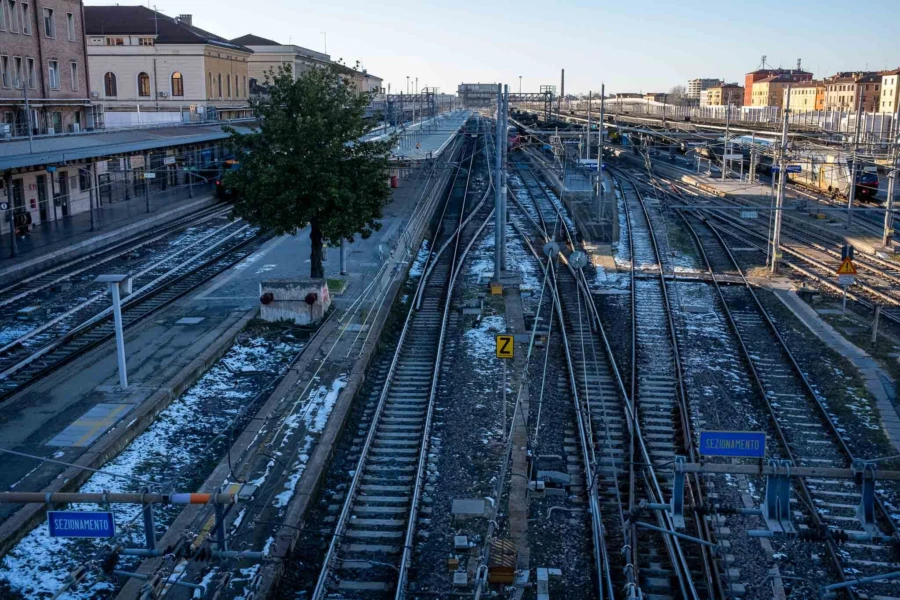
Before you rush off to your hotel, here is a final local secret: if you find yourself at the station during the golden hour, walk up to Ponte Matteotti (the bridge overlooking the tracks).
Watching the sunset over the endless rows of iron rails, with the city lights starting to flicker in the distance, has a raw, industrial magic. Some might even say it’s more romantic than Piazza Santo Stefano.
Take your time, follow the signs, and welcome to Bologna.
Related post
Tasty newsletter
Stay in touch with monthly news and get my PDF guide with the best restaurants in Bologna and beyond