Rimini: what to see, eat and feel in Italy’s seaside icon
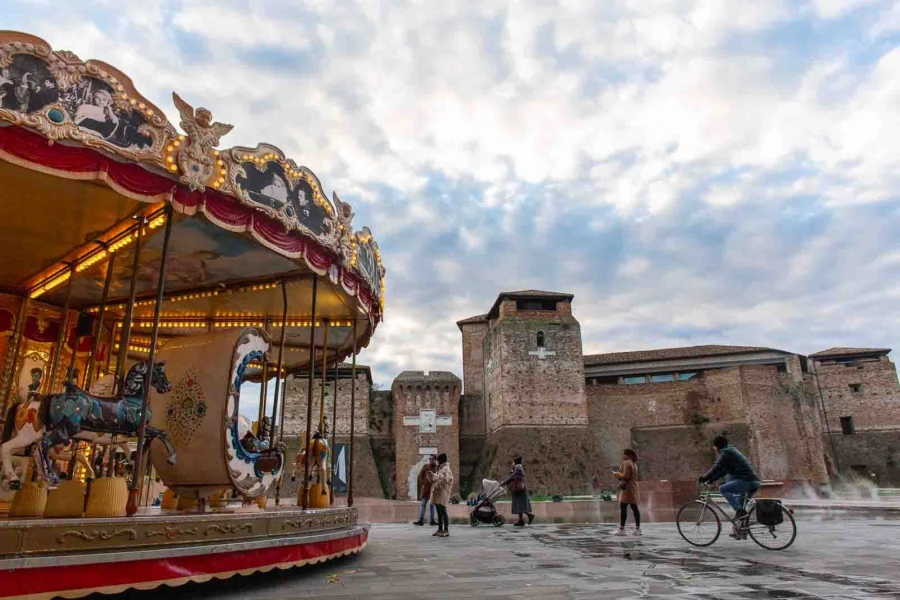
You arrive thinking it’s just sunbeds, umbrellas, and a long Adriatic beach. Then a warm piadina scent hits you, a local smiles like they already know you, and the city’s mix of ancient stones and seaside energy pulls you in.
You taste the sea, feel the vibe, and realise Rimini isn’t just a beach town—it’s a place with stories, flavours, and character.
This guide shows you what makes it special, the best things to do in Rimini, what to eat, and where to find the real city beyond the beach.
Most people choose Rimini for its coastline.
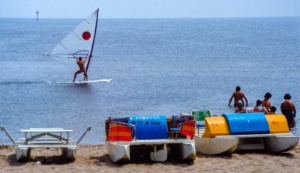
Makes sense: 15 km of soft sand, shallow water, wide beaches, colourful umbrellas, and a seaside promenade full of life.
But that’s only one layer of the city. And it’s not even the most interesting one.
You stay in Rimini because you can wake up at the beach and, 15 minutes later, be walking under the oldest Roman arch still standing.
You stay because lunch can be a piadina eaten on the pier, and dinner can be handmade pasta in a medieval alley.
You stay for the contrasts.
They make the city feel alive.
People ask this all the time.
And the honest answer is: Rimini is touristy, yes, but not in the way you might fear.
In summer, most visitors cluster around Rimini beach.
The beach is huge, long, open, and extremely well-organised, so even during peak weeks you can walk, breathe, and carve out your own spot.
The city centre stays surprisingly calm. You can wander through Roman ruins or quiet squares without pushing through crowds.
If your focus is the historic heart, museums, churches, and Borgo San Giuliano, come in the low season.
Autumn and spring are perfect.
Winter feels romantic, almost Fellini-like.
And yes, numbers have dropped a bit in recent years, making everything more pleasant.
The best time to visit Rimini depends on what you’re looking for.
Spring (April–June)
Warm days, quiet beaches, outdoor cafés reopening. Perfect if you want sun without crowds.
Summer (July–August)
Peak season. Lively evenings, full beaches, long days in the water.
If you like energy and nightlife, this is your moment.
Autumn (September–October)
Maybe the ideal time. Warm sea, mellow light, fewer people, and great food festivals.
Locals slow down, and the city feels authentic again.
Winter (November–March)
Cool, soft, peaceful.
The old town feels cinematic — almost Fellini-like — and the beach becomes wide, empty, beautiful.
A note for weekend travellers
Rimini is the classic weekend escape for people from Bologna.
When the sun comes out, especially in spring, the city fills up fast.
Keep an eye on busy dates like Easter, early warm weekends, and long holidays such as June 2nd.
Expect heavier traffic on the A14 and more movement on the promenade.
If your focus is culture, history, and exploring the city, choose spring or autumn.
If you want the full seaside experience, choose summer.
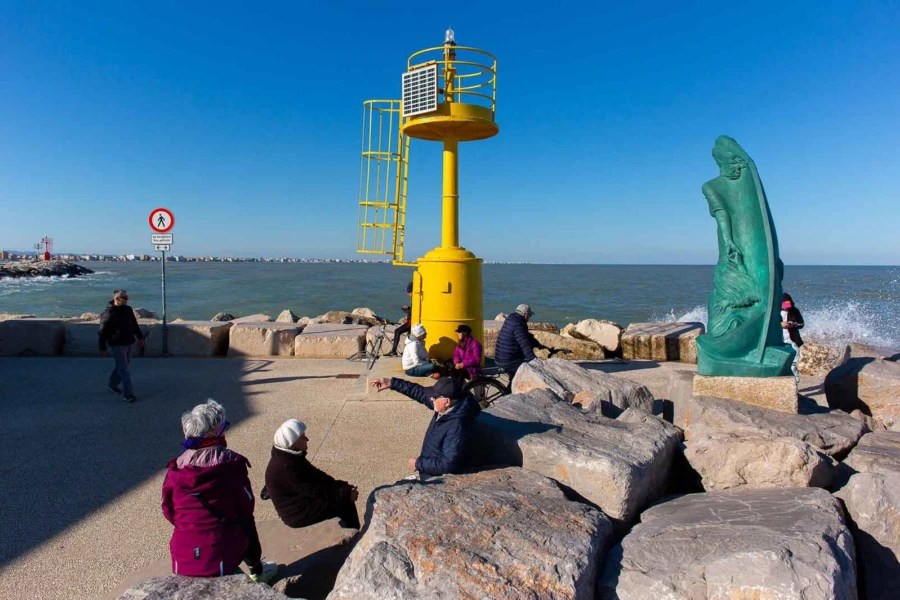
What makes Rimini special is its mix of ancient history, human warmth, good food, and a lifestyle built for both families and fun-seekers.
It’s special because locals greet you like a neighbour.
Because the food is simple and perfect.
Because families with toddlers feel at ease, and so do teenagers looking for nightlife. Because the city keeps reinventing itself without losing its soul.
As Federico Fellini once said:
Rimini is a muddle: confused, fearful, tender, with this great breath, this emptiness opening onto the sea.
And somehow, that contradiction is exactly what makes it unforgettable.
Rimini also carries an aura created by one of its most famous sons, Fellini himself.
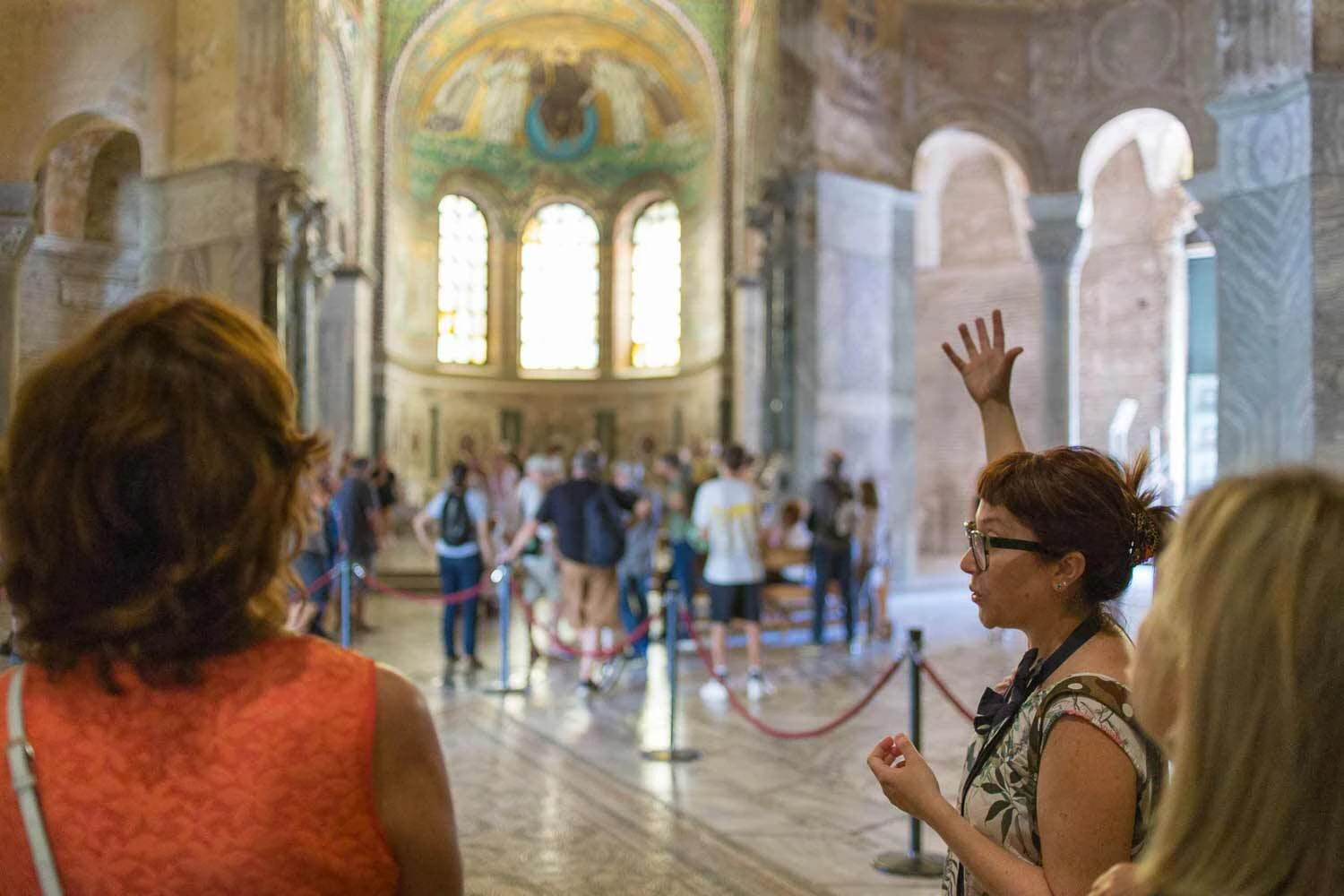
You could spend your whole trip on the sand, but you’d miss the parts of Rimini that stay with you long after your tan fades.
From the outside, this church looks almost like a Roman temple that decided to take a holiday by the sea.
Leon Battista Alberti designed it for the powerful Malatesta family, and he did so with ambition and elegance.
Inside, the Tempio feels artistic and personal. Light filters through softly. Sculptures whisper stories about Sigismondo Malatesta and his eclectic, controversial life.
This isn’t a typical Italian church. It’s a bold architectural statement in marble and symmetry.
This Roman bridge is more than 2,000 years old.
It has survived battles, floods, and centuries of use.
Stand in the middle of it. Look at the water. Notice how the stones reflect the light. You can almost feel time stretching below your feet.
When you reach the Arco di Augusto, there’s no ticket booth, no barrier, no stage lighting. Just an ancient Roman arch standing in the sun, clean and imposing.
Built in 27 BC, it’s the oldest surviving Roman triumphal arch in existence.
Imagine all the travellers who have crossed it before you.
The feeling is quiet but powerful.
If you want to understand Rimini beyond the beach, start here.
The Fellini Museum has two locations:
- Castel Sismondo: a Renaissance fortress transformed into an immersive journey through Fellini’s imagination, with lights, sounds, drawings, and scenes that feel almost dreamlike.
- Palazzo del Fulgor: more intimate, filled with photos, scripts, sketches, and fragments of Fellini’s life.
Just a few steps away is the historic Cinema Fulgor, where Fellini watched his first films. Restored with golden balconies and warm lights, it still feels like the beginning of a story.
Cross the Tiberio Bridge and enter a different world. Borgo San Giuliano is a tiny neighbourhood filled with pastel houses, flower pots on windowsills, narrow cobbled streets, and murals inspired by Fellini’s films.
You walk slowly here. You don’t even choose to, it just happens.
Listen carefully. You’ll hear dishes clinking behind open windows, neighbours chatting across balconies, scooters buzzing in the distance.
It’s intimate, colourful, photogenic, and deeply Rimini.
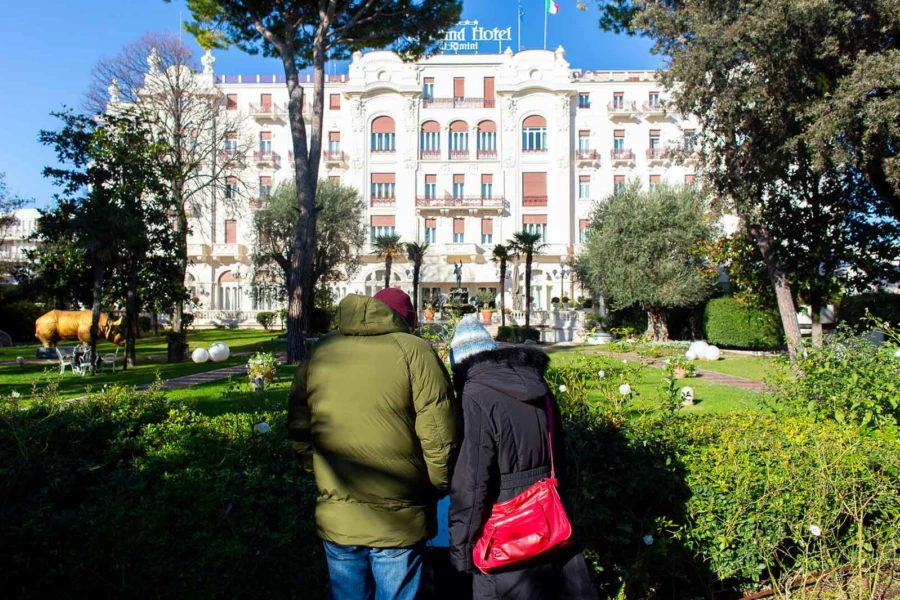
The Grand Hotel looks like a dream you half-remember.
White columns, ornate balconies, a garden full of soft grass and old trees. Fellini adored this place, and you can feel why.
Even if you don’t sleep here, wander by the garden in the evening and feel how sweet life can be.
Walk down to the pier, la Palata, and keep walking until you’re surrounded by the Adriatic on three sides.
Fishermen repair their nets.
Couples lean on the railing.
Kids ride bikes.
At sunset, everything turns pink, blue, orange. It’s calm, simple, and beautiful.
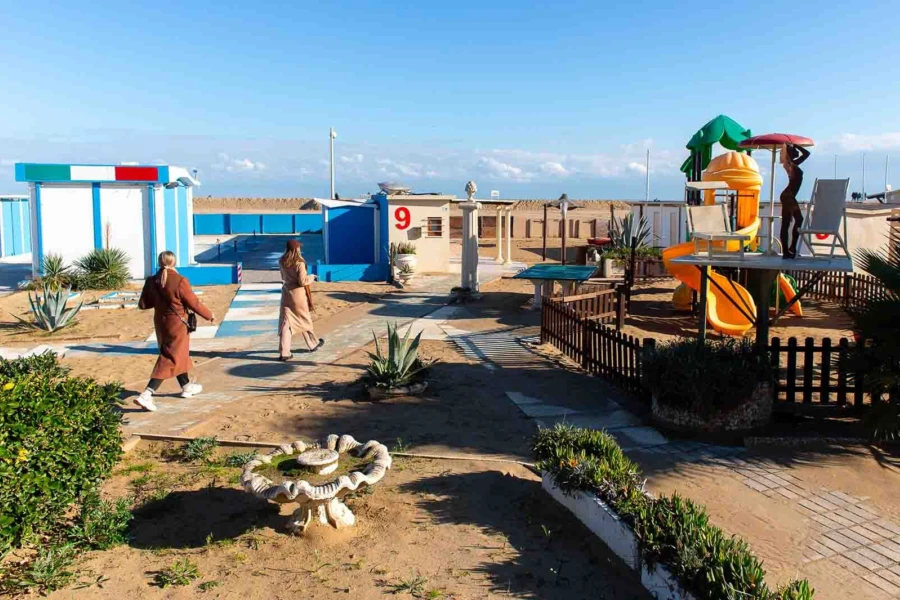
Now let’s tackle the big question: Does Rimini have nice beaches?
Yes. And here’s why.
Rimini is known for its long, soft, sandy coastline.
The water is shallow and safe.
The beach clubs are clean, well-organised, and friendly.
You get showers, sunbeds, bars, playgrounds, and plenty of room to spread out.
This isn’t a wild, untouched coastline.
It’s structured, comfortable, and perfect if you like having everything at hand. Families love it. Older travellers love it. Anyone who likes order and convenience loves it.
As for nightlife, Rimini was once the queen of Italy’s summer party scene.
Today it's more balanced.
There are beach bars for sunset cocktails, nightclubs for late dancing, and wine bars for slow evenings.
You choose your rhythm. Rimini adapts.
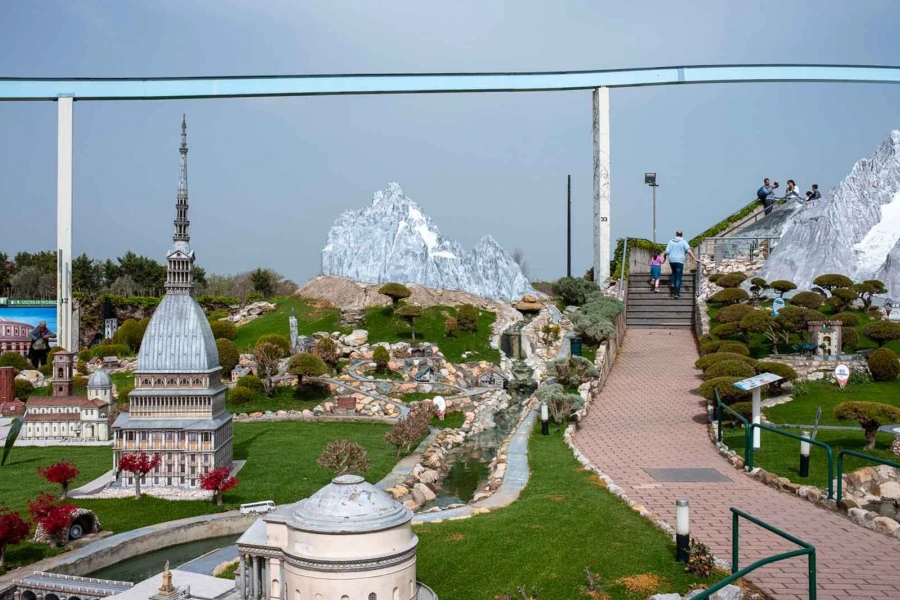
Italia in Miniatura
A classic.
It might sound quirky, but it’s actually charming.
You walk through miniature replicas of Italy’s most iconic monuments like the Pisa tower, the Colosseum, or Milan's Dome.
Kids adore it, adults enjoy it more than expected. A gentle and fun way to spend a few hours.
Info here: Italia in Miniatura
San Marino
Just 30 minutes away, perched on cliffs, lies the Republic of San Marino. One of the world’s oldest republics.
When you climb to the fortress, the view is enormous. On clear days, you see the Adriatic glittering far away and the hills rolling like waves.
If you have kids, expect to come back with a real sword or with a bow and arrows.
Fiabilandia
Fiabilandia is Rimini’s oldest theme park — and one of Italy’s first.
Built for children and families, not for adrenaline.
Expect fairy-tale themed rides, gentle attractions, trains, castles, pirate ships, giant mushrooms, and wide green spaces where kids can run freely.
It’s simple, nostalgic, safe, and perfect for younger travellers.
More info here: Fiabilandia
Riccione
Riccione is Rimini’s stylish cousin.
Trendy boulevard like Viale Ceccarini, smart shops, cool cafés, and contemporary beach clubs. If you want shopping or nightlife, head here. It’s close and easy.
Verucchio
A medieval gem on a hill. Narrow stone lanes. Quiet squares. A fortress with a sweeping view. Great for a calm afternoon or a romantic escape.
If you want to explore even more, check out some day trips from Bologna: several of them pair beautifully with a Rimini holiday.
Rimini’s food is warm, simple, welcoming.
It doesn’t try to impress: it wins you over slowly, with flavours that feel familiar even if it’s your first time here.
Here are a few dishes to spend some time with:
Piadina & Cassoni
Piadina is the queen of Rimini street food.
Thin, soft, warm, slightly toasted.
Folded over Squacquerone cheese and rocket, sardoncini, prosciutto, grilled vegetables, whatever fits the moment.
And don’t forget cassoni.
Think of them as piadina’s rustic cousin: the dough sealed like a half-moon and stuffed before cooking.
Try cassoni with herbs (the classic “cassone alle erbe”), with tomato and mozzarella, or with potato and sausage.
They’re hot, fragrant, and dangerously addictive.
Spaghetti con le vongole (lupini)
A simple dish that tastes like the Adriatic.
Garlic hits the pan, olive oil shimmers, the lupini clams open slowly.
Light, briny, honest.
If you eat it with the breeze of Rimini beach behind you, even better.
Passatelli
A true Romagna classic.
Soft, fragrant strands made from breadcrumbs, Parmigiano, eggs, and a touch of lemon zest.
You can eat them in brodo, especially when the air gets cooler and you want something warm and comforting.
Or you can enjoy them dry, sautéed with seafood, vegetables, or other seasonal ingredients.
Same dish, two completely different moods: both delicious.
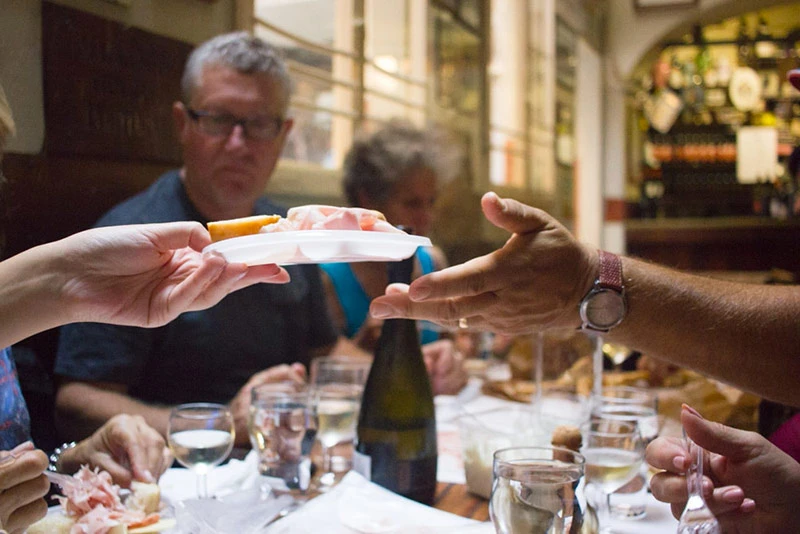
If you’re looking for Rimini restaurants where you can actually taste the city, here are a few places worth booking.
NudeCrud
NudeCrud is first of all a piadineria, and a very good one.
It sits in Borgo San Giuliano, just after Tiberius’ Bridge, and serves piadina and cassoni made to order, with both classic and creative fillings.
You’ll also find gluten-free options, which are rare and very welcome in this kind of place. Grab a cassone, cross the bridge, and eat it while looking at the water.
Il Pescato del Canevone
A historic seafood restaurant in Rimini for fish lovers.
Expect grilled sardines, fried seafood, generous portions, and simple recipes that let the catch of the day speak for itself.
Osteria de Borg
In the heart of Borgo San Giuliano, this cosy osteria serves homemade pasta, local dishes and good wine. A great place to try passatelli or fresh fish in a warm, authentic setting.
Choosing where to stay in Rimini depends on the kind of trip you want.
The city is divided into neighbourhoods with very different moods, rhythms, and prices. Here are the best areas, and a few highly rated hotels you can trust.
Marina Centro: for convenience and comfort
This is Rimini’s most iconic seaside neighbourhood.
Close to the beach, full of restaurants, shops, and cafés, and perfect if you want to be in the heart of the action without giving up comfort.
Best hotels in Marina Centro
- Hotel De Londres
Elegant, modern, excellent service, rooftop spa, and consistently high reviews.
Great for couples and travellers who want comfort without luxury prices. - i-Suite Hotel
One of the most iconic design hotels in Rimini. Futuristic interiors, beachfront location, panoramic pool.
Ideal if you want something stylish and memorable.
Borgo San Giuliano: for charm and atmosphere
If you prefer staying near the historic center instead of the beach, this is Rimini’s most atmospheric neighbourhood.
Narrow streets, pastel houses, Fellini-inspired murals, and cosy restaurants.
Recommended hotel near Borgo San Giuliano
- Hotel Card International
A modern, comfortable hotel located close to the old town and the train station.
Perfect if you're planning to explore Rimini beyond the beach or take day trips.
Rivabella / Viserbella: for families
North of the centre, quieter, with shallow water, playgrounds, and wide family-friendly beaches.
Perfect if you're travelling with children or looking for a calmer setting.
Highly rated options
- Hotel Villa Adriatica
Historic building, beautiful interiors, family-friendly atmosphere, excellent breakfast.
Rimini is one of the easiest destinations to reach on the Adriatic Coast.
Whether you're coming by plane, train, or car, getting here is straightforward.
By plane
Rimini has its own airport:
-
Rimini Federico Fellini International Airport (RMI)
It's small but efficient, with seasonal flights connecting several European cities.
From the airport, the city centre is only a short bus or taxi ride away.
If you're flying from further away, many travellers land in Bologna Airport (BLQ) and reach Rimini by train in about 1 hour.
By train
The Rimini train station is one of the most convenient on the Adriatic line.
Frequent trains connect Rimini to:
-
Bologna (50–70 minutes)
-
Ravenna
-
Pesaro
-
Riccione
-
Ancona
High-speed trains also reach Rimini from Milan, Florence, and Rome with quick transfers.
The station is right in the city centre — you can walk to many hotels.
And if you want to explore Bologna before or after your beach break, here’s a useful Bologna itinerary to help you make the most of your time there.
By car
Rimini is directly connected by the A14 motorway, making it an easy drive from Bologna, Milan, Florence, and Venice.
Parking is rarely a problem:
-
Many hotels offer private parking
-
The city has large public lots, especially near the sea
-
Blue lines along the streets are affordable even in summer
If you stay in Marina Centro or Rivabella, you’ll find plenty of spots.
Getting around
You don’t need a car in Rimini.
You can walk, rent a bike, or use buses along the promenade.
Everything is close and easy.
Rimini is a city that surprises you twice: once when you arrive, and once when you leave.
You come for the beach — wide, soft, easy.
But you stay for everything else: the Roman arches standing under the sun, the pastel streets of Borgo San Giuliano, the warmth of the people, the scent of piadina at every corner, the unexpected beauty of a sunset on La Palata.
And maybe you stay because Rimini has a way of revealing something deeper.
As Pier Vittorio Tondelli wrote in his novel Rimini:
There is a Rimini that escapes the postcards, a city with shifting borders, where day melts into night and identities free themselves in the dance or lose themselves in silence.
When you’re here, you feel that movement — that blend of light, sea, memory, and possibility.
Rimini is for families, couples, food lovers, and travellers who want a mix of sea, culture, fun, and authenticity.
It’s a place that welcomes you without noise and stays with you without asking.
If you're planning a trip to the Adriatic Coast, Rimini is where you start — and where you’ll want to return.
Related post
Tasty newsletter
Stay in touch with monthly news and get my PDF guide with the best restaurants in Bologna and beyond