Anolini Pasta: the ultimate guide to Parma's iconic dish
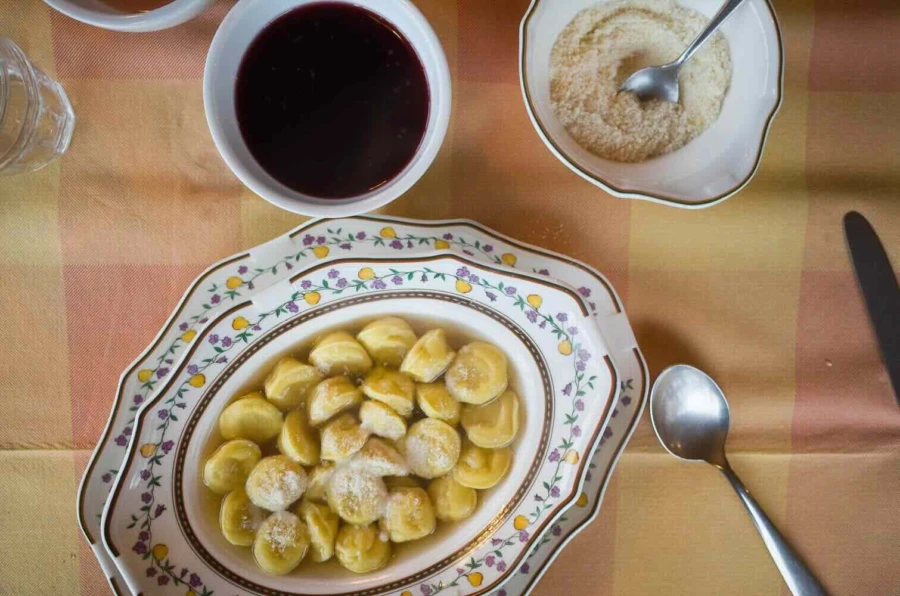
Anolini isn’t just pasta. It’s tradition, wrapped in dough and soaked in golden broth.
Born in Parma, shaped by centuries, and served with love, anolini is one of Italy’s most underrated culinary treasures.
The filling? Rich, slow-cooked meat.
The broth? Deep, fragrant, unforgettable.
The result? A dish that warms more than just your hands.
If you're into hidden recipes, royal stories, or just want to taste something extraordinary, this is your dish.
Let’s uncover the world of anolini.
What is anolini?
Great question.
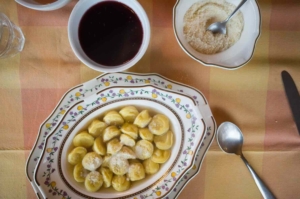
Imagine delicate, round-shaped pasta parcels, crafted by hand using egg-rich dough and filled with a slow-cooked blend of braised beef, breadcrumbs, nutmeg, and Parmigiano Reggiano.
Then imagine them gently cooked and served in a fragrant, golden meat broth.
That’s anolini—a traditional Italian pasta that’s deeply tied to festive family meals, especially around Christmas in Parma and Piacenza.
While some may confuse anolini with ravioli or tortellini, they're unique in shape, size, and flavor.
Though similar at first glance, anolini are distinctly round and slightly smaller than ravioli.
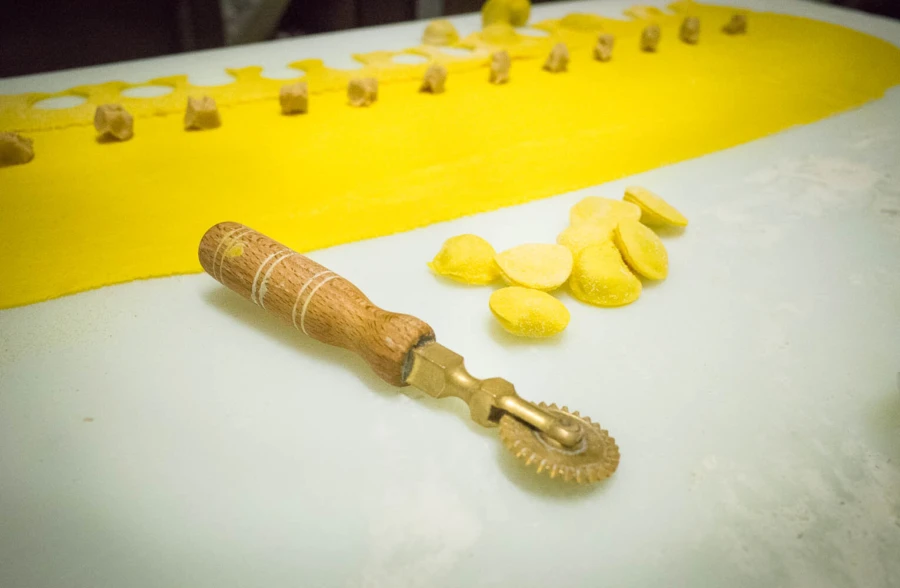
They are traditionally sealed differently, often using a serrated pasta wheel, and the dough sometimes includes semola (semolina flour) for extra elasticity.
Most importantly, anolini di Parma are typically filled with slow-braised meat, unlike ravioli or tortelloni, which often feature cheese or vegetables.
The result?
A richer, deeper flavor that pairs beautifully with broth.
While both belong to the family of filled pasta from Emilia, anolini are distinctly round and filled with slow-cooked braised meat and breadcrumbs.
Tortellini, the icons of Bologna, are ring-shaped and typically stuffed with a mix of pork loin, prosciutto, and mortadella.
Anolini likely derives from the Latin annulus ("ring"), referring to its classic round shape.
Its origins date back to the 12th century, with the first mention in 1284 by Friar Salimbene De Adam. In the 1500s, Bartolomeo Scappi, chef to the popes, brought anolini to royal tables.
There’s no single recipe: some use braised meats, others follow Pellegrino Artusi, who used only meat juices and breadcrumbs. In Piacenza, the filling may include Parmigiano Reggiano, bread, and nutmeg.
Both Parma and Piacenza claim their origin, but the true roots remain unclear.
Even Maria Luigia, Duchess of Parma, adored it—giving rise to the saying: "Only to King Anolino does the Duchess offer her bow."
A dish of mystery, royalty, and great regional pride.
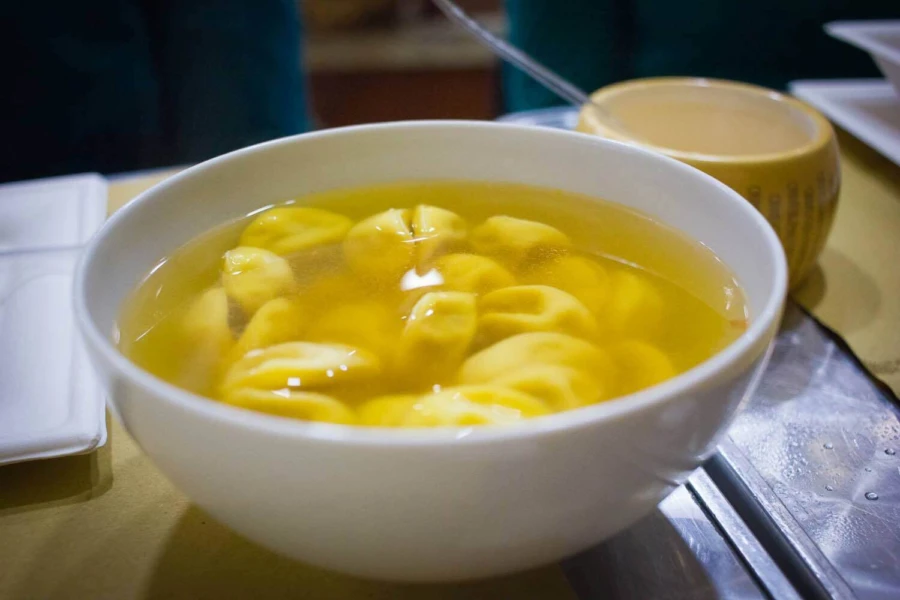
Now let’s roll up our sleeves and talk about how to actually make anolini pasta.
Here’s what you’ll need for about 4 servings:
- 3 eggs
- 300g (10.5 oz) of 00 flour or semolina for an extra bite
- 200g (7 oz) of braised beef or veal
- 100g (3.5 oz) of grated Parmigiano Reggiano
- 1 slice of stale bread
- 1/2 cup of meat broth
- A pinch of nutmeg, salt, and black pepper
- Make the filling: Shred the braised meat, soak the bread in broth, and combine with cheese, nutmeg, and seasoning. Let it rest.
- Prepare the dough: Mix flour and eggs until smooth. Knead for 10 minutes and let it rest under a cloth.
- Shape the pasta: Roll out the dough thinly. Place small mounds of filling, fold the dough, and cut with a round pasta cutter.
- Cook: Boil them gently in meat broth for about 5 minutes until they float.
The most classic way to enjoy anolini is in brodo, but in Piacenza, they also prepare them asciutti—without broth and simply dressed with butter and cheese, especially during the summer months.
While anolini di Parma are meat-filled, vegetarian versions are growing popular.
And yes, for those wondering, are anolini always filled with meat? Traditionally, yes, but there are now versions with cheese, pumpkin, or even mushrooms.
And great news: during our Parma food tour, you can taste delicious anolini, even gluten-free, made by a passionate local artisan. These are perfect for anyone with dietary restrictions who still wants the full Emilian experience.
- Overstuffing: More filling doesn’t mean more flavor. Too much can cause bursting.
- Not sealing well: Use a bit of water and press carefully with a wheel cutter.
- Undercooking broth: A weak broth ruins the dish. Simmer bones and vegetables for hours.
- Dry dough: Keep it covered, or it’ll crack when shaping.
Nothing beats homemade, but if you're visiting Parma, there are plenty of spots where you can try anolini prepared to perfection.
Here are three top picks:
1. Trattoria Ai Due Platani
📍Strada Budellungo, 104a, Parma
📞 +39 0521 645626
This family-run gem is just outside Parma and known for its traditional anolini in brodo—served steaming hot with deep flavor.
2. Ristorante Cocchi
📍Viale Antonio Gramsci, 16/A, Parma
📞 +39 0521 981990
A legendary place for Parmigiani cuisine. Their version of anolini is elegant yet deeply comforting.
3. Osteria del 36
📍Via XX Settembre, 36, Parma
📞 +39 0521 287061
Here, anolini is the star of the show, served in a rich capon broth passed down for generations.
For more spots, check the full list of Parma best restaurants.
A warm bowl of anolini in brodo pairs beautifully with Lambrusco, a slightly sparkling red wine that balances the richness of the dish.
You could also go for Malvasia Secca, an aromatic white from Emilia-Romagna.
The key is freshness and acidity to cut through the savory broth and meat.
Anolini isn’t just a pasta—it's a portal into the soul of Parma. It’s a symbol of celebration, Sunday mornings, and the kind of love only a grandmother’s hands can shape.
Whether you're tasting them in a countryside trattoria or watching the "sfoglina" (pasta maker) seal them one by one, anolini is a dish that stays with you long after the bowl is empty.
So next time you're dreaming of Italy, think beyond carbonara.
Think anolini—and prepare to fall in love with the most authentic flavor of the Food Valley.
Related post
Tasty newsletter
Stay in touch with monthly news and get my PDF guide with the best restaurants in Bologna and beyond